Silage wrap is an essential tool in the agricultural industry, especially for farmers in Australia. As the demand for high-quality feed grows and climate variability increases, efficient ways of preserving and storing forage are critical. Silage wrap plays a crucial role in ensuring that Silage retains its nutritional value and remains a viable feed source for livestock throughout the year. For quality silage wrap, click here.
What is Silage Wrap?
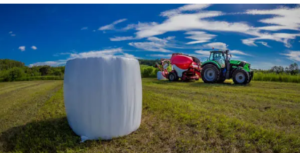 Silage wrap is a specialised plastic film used to wrap freshly harvested crops, typically grass, corn, or legumes, to create Silage. Silage is a form of fermented forage stored in airtight conditions to prevent spoilage. By using silage wrap, farmers can preserve the moisture and nutrients in the harvested crop, allowing it to ferment in controlled anaerobic conditions.
Silage wrap comes in a variety of sizes and types, typically made from stretchable polyethylene or other durable plastic materials. It is designed to withstand harsh weather conditions while providing an airtight seal that prevents oxygen from entering the stored Silage. This airtight environment is key to ensuring that the Silage undergoes proper fermentation, preserving its nutritional value for use as animal feed.
Why is Silage Wrap Important for Australian Farmers?
Australia’s agricultural landscape presents unique challenges for farmers. With varying climates across the country, the ability to preserve forage efficiently is crucial. Silage wrap provides farmers with a reliable method of ensuring that their harvested crops remain nutritious and are available year-round, especially during the colder months when fresh pasture might be less accessible.
- Preserving Feed Quality: Silage wrap ensures that the nutritional integrity of the Silage is maintained. The wrapping process minimises the exposure of the forage to air, allowing the Silage to ferment correctly, thus preserving its quality for livestock consumption.
- Reducing Waste: Without proper storage, forage crops can degrade quickly, leading to significant waste. Silage wrap allows farmers to store crops for extended periods, reducing waste and increasing the efficiency of feed management.
- Cost-Effective: For many Australian farmers, Silage is a cost-effective solution for providing feed to livestock during dry seasons. By ensuring that Silage can be stored for long periods, silage wrap helps farmers manage their feed costs and maintain a steady supply of nutrition for their animals.
- Environmental Benefits: Proper use of silage wrap reduces the need for commercial feed, which can be both expensive and less environmentally sustainable. By using silage wrap, farmers reduce their carbon footprint, as it allows for the efficient use of locally grown crops.
Types of Silage Wrap
Several types of silage wrap are available in the Australian market. The choice of silage wrap depends on the farmer’s specific needs, such as the size of the farm, the type of forage being harvested, and the climate.
- Standard Silage Wrap: This is the most common type of wrap and is designed for general use. It is typically black or green and is made from UV-resistant materials that provide durability against the Australian sun.
- UV-Resistant Wrap: Australia’s harsh sunlight can degrade plastic wrap quickly. UV-resistant wraps are designed to withstand prolonged exposure to sunlight without becoming brittle or ineffective, ensuring long-term preservation of Silage.
- Oxygen Barrier Wrap: Some advanced silage wraps have enhanced oxygen barrier properties. These wraps reduce the amount of oxygen that enters the Silage, promoting a better fermentation process and improving the overall quality of the stored forage.
- Stretch Film: Stretchable wrap is designed to expand as it is applied, allowing for a tighter seal and better storage conditions. This type of wrap is ideal for farmers looking for more efficient and airtight storage solutions.
Conclusion:
Silage wrap is an indispensable tool for Australian farmers looking to improve feed efficiency and reduce waste in their farming operations. Preserving the quality and nutritional content of Silage enables farmers to maintain a consistent and cost-effective feed supply for their livestock, even in challenging climates. Whether you are a large-scale producer or a small family farm, choosing the right silage wrap and following best practices for its application can make a significant difference in the quality of your Silage and, ultimately, the productivity of your farm.