Bottle Recycling Adelaide: A Sustainable Future for Our Community

Bottle recycling is an essential part of waste management in Adelaide, SA, and plays a crucial role in reducing environmental impact. As concerns about waste and environmental sustainability continue to grow, bottle recycling has emerged as a key solution to preserve resources, conserve energy, and reduce pollution. For more information about the automated bottle recycling, click here.

Why Bottle Recycling Matters in Adelaide
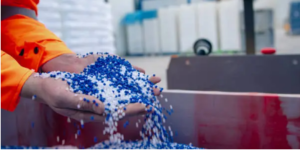
automated bottle recyclingAdelaide is one of the major cities in South Australia, and its residents produce large amounts of waste, including plastic, glass, and aluminium bottles. Improper disposal of bottles leads to landfill overflow, pollution of waterways, and the depletion of natural resources. However, by recycling bottles, these materials can be reused to create new products, which significantly reduces the demand for raw materials and helps protect the environment.

In Adelaide, the introduction of recycling programs and waste management initiatives has made bottle recycling more accessible. The South Australian government has been a leader in implementing schemes such as the Container Deposit Scheme (CDS), which rewards residents for returning eligible drink containers. This initiative has had a significant impact on reducing littering and encouraging the recycling of bottles across the state.

The Environmental Benefits of Bottle Recycling

The environmental benefits of bottle recycling are immense. When bottles are recycled instead of disposed of in landfills, the following advantages are realised:

Reduced Waste in Landfills

Landfills are a growing problem in Adelaide, and recycling helps to decrease the amount of waste that ends up in these sites. By diverting bottles from landfills, we are minimising the space required for waste disposal, which in turn reduces methane emissions—a harmful greenhouse gas.

Conservation of Resources

Recycling bottles reduces the need for virgin materials like oil, minerals, and natural gas. In the case of glass and aluminium bottles, recycling conserves raw materials and minimises the environmental impact associated with extraction and manufacturing processes.

Energy Savings

The recycling process uses far less energy compared to creating new bottles from raw materials. For example, recycling aluminium saves up to 95% of the energy required to produce new aluminium from bauxite ore, and recycling glass saves around 30% of the energy used to create new glass containers.

Reduction of Pollution

When bottles are appropriately recycled, there is a significant decrease in the pollution generated by waste. It includes a reduction in both land and water pollution, mainly when bottles are disposed of incorrectly or irresponsibly.

How Bottle Recycling Works in Adelaide

Adelaide has several convenient and efficient methods in place for bottle recycling. These systems are designed to make it easier for residents to participate in bottle recycling and contribute to sustainability efforts.

Container Deposit Scheme (CDS)

One of the most effective and popular bottle recycling systems in Adelaide is the Container Deposit Scheme (CDS), which the South Australian government implemented. Under this scheme, consumers can return eligible drink containers to reverse vending machines (RVMs) or participating collection depots in exchange for a 10-cent refund per container. It provides an incentive for people to return their bottles instead of discarding them, thus helping to reduce litter and encourage recycling.

Kerbside Recycling Collection

In addition to the CDS, many residents in Adelaide can place their empty bottles into their household recycling bins, which are collected on a regular basis by the local council. It is an easy and convenient method for recycling, as it doesn’t require any special effort from the consumer beyond sorting their recyclables. It is important to note that not all bottles are eligible for curbside recycling, as some plastic bottles are more difficult to recycle than others.

Recycling Depots and Drop-Off Points

In addition to curbside recycling and reverse vending machines, there are various recycling depots and drop-off points throughout Adelaide where residents can take their bottles. These locations are handy for those who may not have access to curbside collection or prefer to drop off their recyclables personally.

Conclusion:

Bottle recycling in Adelaide, SA, is not just an environmentally responsible action—it is a crucial part of creating a sustainable future for our community. With the support of programs like the Container Deposit Scheme and community-driven initiatives, Adelaide is leading the way in waste management and recycling efforts.
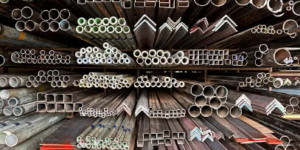
Steel Supplies Adelaide: Why Apex Steel Supplies are the Ultimate Choice for Durability and Longevity

When it comes to construction, manufacturing, and various industrial applications, the quality of materials used plays a crucial role in ensuring the strength, durability, and longevity of the finished product. One material that has stood the test of time in these industries is steel. Among the various suppliers of steel products in Adelaide, Apex Steel Supplies has earned a reputation for offering superior durability and long-lasting solutions. This article explores why Apex Steel Supplies is the ultimate choice for those seeking reliability, resilience, and value for money.

Commitment to Quality and Precision

apex steel suppliesApex Steel Supplies is known for its unwavering commitment to quality. The company significantly employs strict quality control measures throughout the production and supply process. From the initial stages of sourcing raw materials to the final product, every steel component is thoroughly tested to meet international standards. By utilising advanced manufacturing techniques and state-of-the-art technology, Apex Steel Supplies ensures that every product is built to last, offering a level of precision that makes it ideal for critical structural applications.
Each steel product is carefully fabricated and processed to enhance its durability. Whether you’re in need of steel beams, rods, or sheets, Apex Steel Supplies guarantees that each item meets the highest standards of strength and resilience. The attention to detail and commitment to excellence make Apex Steel Supplies the go-to choice for projects that demand long-lasting performance.

Unrivalled Strength and Structural Integrity

Steel is widely recognised for its strength, and Apex Steel Supplies takes this a step further by providing high-strength steel products that are capable of withstanding substantial loads and stresses. The company’s steel products are engineered to maintain their structural integrity even under heavy loads or extreme conditions.

Whether used in construction, infrastructure, or machinery, Apex Steel supplies offer superior tensile strength, which prevents bending, warping, or failure. It means that when you choose Apex Steel Supplies, you’re investing in materials that will not only perform under pressure but will continue to do so for many years.

Wide Range of Applications

The versatility of Apex Steel supplies is another reason why they are considered the ultimate choice for durability and longevity. From the construction of residential homes to large-scale commercial projects, Apex Steel products are suitable for a variety of applications. The company significantly provides a wide range of steel supplies, including beams, columns, rods, sheets, and more, making them a one-stop shop for any steel requirement.

Their products are commonly used in the construction of bridges, high-rise buildings, and industrial facilities, where the durability of materials is critical. Additionally, their steel supplies are used in the automotive, manufacturing, and energy sectors, proving that Apex Steel Supplies is a trusted partner across multiple industries.

Cost-Effectiveness and Long-Term Value

While there are many steel suppliers in the market, Apex Steel Supplies stands out due to the long-term value it offers. The company’s products are engineered for durability, meaning that the initial investment pays off in the long run. Choosing high-quality steel that can withstand the test of time leads to fewer repairs, replacements, and maintenance costs over the life of a project.

Apex Steel Supplies is committed to providing cost-effective solutions without compromising on quality. With their durable steel products, customers can rest assured that they are significantly making a sound investment that will yield long-term benefits. The durability and longevity of Apex Steel products reduce overall project costs, which is especially important for large-scale and long-duration projects.

Expertise and Customer Support

Apex Steel Supplies is known not only for the quality of its products but also for its expert guidance and customer support. The company’s team of professionals has extensive knowledge and experience in the steel industry, enabling them to offer valuable insights and advice to customers. Whether you need help choosing the right type of steel for a specific application or require assistance with logistics and delivery, Apex Steel Supplies is there to support you at every step.

Conclusion

When it comes to durability and longevity, Apex Steel Supplies stands out as the ultimate choice for those in Adelaide seeking high-quality, reliable steel products. From their commitment to quality and corrosion resistance to their unmatched strength and versatility, Apex Steel Supplies provides materials that are built to last. By choosing Apex Steel Supplies, you’re investing in a long-term solution that offers exceptional performance, cost-effectiveness, and sustainability. For any project requiring steel, Apex Steel supplies delivers the durability and longevity that ensures success for years to come.

Silage Wrap: Essential for Australian Agriculture

Silage wrap plays a critical role in modern farming, particularly in Australia, where agriculture remains a cornerstone of the economy. This specialised plastic film is essential for preserving forage, protecting it from spoilage, and ensuring livestock receive high-quality feed year-round. In this article, we’ll explore the importance of silage wrap in Australia, its benefits, key features to consider, and tips for selecting the best product for your needs. For more information about the bulk silage wrap, click here.

What is Silage Wrap?

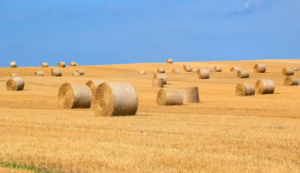
bulk silage wrapSilage wrap is a high-performance stretch film explicitly designed to wrap and seal silage bales. It creates an airtight environment that prevents oxygen from entering and causing the forage to spoil. This preservation method ensures that the nutritional quality of the feed is maintained, which is crucial for livestock health and productivity.
In Australia, silage wrap is widely used in regions where weather conditions can be unpredictable. Whether it’s extreme heat, heavy rainfall, or drought, silage wrap helps farmers safeguard their forage from environmental challenges.

Benefits of Silage Wrap

Using silage wrap offers numerous advantages for Australian farmers:

Improved Feed Quality

Silage wrap preserves the moisture and nutrients in forage, ensuring livestock receive a consistent, high-quality diet. It is especially important in areas prone to dry spells, where fresh forage may be limited.

Reduced Waste

By preventing spoilage, silage wrap minimises waste and maximises the use of harvested crops. This efficiency translates into cost savings for farmers.

Convenience and Versatility

Silage wrap is easy to use with modern bale-wrapping equipment. It is suitable for round or square bales, making it a versatile solution for various farm setups.

Weather Resistance

Australia’s climate can be harsh, with extreme temperatures and unpredictable weather patterns. High-quality silage wrap provides excellent UV resistance, ensuring that bales remain protected even under prolonged exposure to sunlight.

Cost-Effectiveness

Preserving forage with silage wrap can significantly reduce feed costs. Farmers can store surplus forage during peak growing seasons and use it when feed prices rise or during periods of scarcity.

Key Features to Look for in Silage Wrap

Choosing the right silage wrap is crucial for optimal results. Here are some factors to consider when selecting silage wrap for Australian farming conditions:

Strength and Durability

Look for a silage wrap with high tear and puncture resistance. Strong WrapWrap ensures that bales remain sealed and protected, even during transportation or handling.

UV Resistance

Given Australia’s high levels of UV radiation, it’s essential to choose a wrap with excellent UV protection. This feature prolongs the Wrapwrap’s life and maintains the integrity of the bales.

Stretchability

Good stretchability ensures a tight and secure seal around the bales. High-performance wraps offer consistent elasticity, reducing the risk of gaps or loose ends.

Thickness

Thicker wraps generally offer better protection and durability. However, they may be more expensive. Strike a balance between quality and cost to meet your farm’s needs.

Environmentally Friendly Options

With increasing awareness of environmental sustainability, many manufacturers now produce biodegradable or recyclable silage wraps. Opting for eco-friendly options helps reduce plastic waste and aligns with sustainable farming practices.

Tips for Using Silage Wrap Effectively

To get the best results from silage wrap, follow these practical tips:

  • Use Clean and Dry Equipment: Ensure the wrapping machine and bales are free from dirt and moisture to avoid contamination.
  • Wrap Bales Immediately: Wrap forage as soon as it’s balanced to maintain freshness and minimise oxygen exposure.
  • Store Bales Properly: Place wrapped bales on a dry surface, away from sharp objects, and in a shaded area to prolong their lifespan.
  • Inspect WrapWrap Regularly: Check for holes or damage and repair them promptly to prevent spoilage.
  • Use the Right Number of Layers: Applying the correct number of wrap layers (usually 4-6) ensures an airtight seal and optimal preservation.

Conclusion:

Silage wrap is an indispensable tool for Australian farmers. It offers a reliable solution for preserving forage and supporting livestock health. Its ability to protect feed quality, reduce waste, and withstand harsh weather conditions makes it a must-have for any farm. By choosing the right silage wrap and using it effectively, farmers can enhance productivity and sustainability in their operations.

Baling Twine: A Comprehensive Guide to Choosing and Using the Right Twine for Your Agricultural Needs

Baling twine is an essential product for farmers, ranchers, and agricultural businesses in Australia. Whether you’re handling hay, straw, or other materials, baling twine plays a crucial role in securing bales for storage and transportation. For more information about the baling twine cost, click here.

What Is Baling Twine?

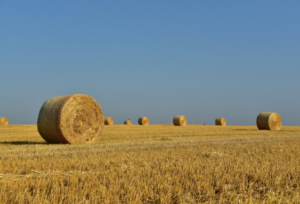
baling twine costBaling twine is a specialised rope or string used to tie up bales of hay, straw, cotton, or other agricultural materials. It ensures that the material stays compact and organised, which is crucial for efficient storage, handling, and transportation. Made from various materials like polypropylene, nylon, and sisal, baling twine offers the strength, durability, and reliability needed for the rigours of farming.

Types of Baling Twine Available in Australia

In Australia, you’ll find a variety of baling twine options, each designed for different types of balers and materials. The two main types of baling twine are:

  • Polypropylene Baling Twine: Polypropylene (PP) twine is the most common type of baling twine in Australia. It’s known for its strength, durability, and resistance to UV rays, which makes it ideal for use in outdoor environments. Polypropylene twine is also resistant to moisture and won’t rot, which is essential for keeping hay and other materials dry during storage. PP twine is available in various colours, thicknesses, and lengths to suit different baling needs.
  • Nylon Baling Twine: Nylon twine is stronger and more durable than polypropylene. It’s often used for heavier-duty applications, such as securing larger bales or tying materials that are denser and heavier. While nylon twine is slightly more expensive than polypropylene, its superior strength and resistance to wear and tear make it a popular choice for commercial operations.
  • Sisal Baling Twine: Sisal twine, made from natural plant fibres, is a traditional choice for farmers who prefer biodegradable and eco-friendly options. While sisal is strong and effective for tying hay and straw bales, it’s less commonly used today due to its vulnerability to moisture and its tendency to degrade over time. However, for those looking for an organic solution, sisal still has its place in the market.

How to Choose the Right Baling Twine

Choosing the proper baling twine for your needs depends on several factors, including the type of baler you use, the materials you are baling, and your budget. Here are some important considerations when selecting baling twine:

  • Strength and Durability: The twine must be strong enough to hold the weight and size of the bales you are making. For lighter bales, polypropylene twine should suffice, but for larger, heavier bales, nylon twine might be the better option. Always check the twine’s breaking strength before purchasing.
  • UV and Weather Resistance: If you’re working outdoors, particularly in Australia’s harsh climate, UV resistance is crucial. Polypropylene twine is designed to withstand prolonged exposure to the sun without breaking down. UV-protected twine ensures that your bales remain secure for an extended period.
  • Compatibility with Your Baler: Different types of balers require different twine thicknesses and sizes. Ensure that the twine you choose is compatible with the specifications of your baler model. Check the user manual for recommended twine thickness and strength.
  • Length and Quantity: Baling twine comes in various lengths, typically measured in meters or feet. Make sure to choose the appropriate amount of twine for your operation, especially if you are baling large quantities of material. Buying in bulk can help save costs, but only if you can use it efficiently before it degrades.
  • Price: While it’s tempting to choose the cheapest option, it’s essential to balance price with quality. High-quality twine might cost a little more but will save you time and money in the long run by reducing breakages and improving your baling efficiency.

Conclusion:

Baling twine is a small but vital tool in the agricultural industry, especially in Australia, where farming operations can be large and diverse. By selecting the correct type of baling twine—whether polypropylene, nylon, or sisal—you can ensure that your bales stay intact, reducing waste and improving efficiency. Remember to consider the strength, UV resistance, compatibility with your baler, and price before making your purchase. Quality baling twine not only ensures the durability of your bales but also protects your investments in the long run.