Silage wrap plays a critical role in modern farming, particularly in Australia, where agriculture remains a cornerstone of the economy. This specialised plastic film is essential for preserving forage, protecting it from spoilage, and ensuring livestock receive high-quality feed year-round. In this article, we’ll explore the importance of silage wrap in Australia, its benefits, key features to consider, and tips for selecting the best product for your needs. For more information about the bulk silage wrap, click here.
What is Silage Wrap?
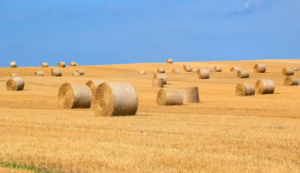 Silage wrap is a high-performance stretch film explicitly designed to wrap and seal silage bales. It creates an airtight environment that prevents oxygen from entering and causing the forage to spoil. This preservation method ensures that the nutritional quality of the feed is maintained, which is crucial for livestock health and productivity.
In Australia, silage wrap is widely used in regions where weather conditions can be unpredictable. Whether it’s extreme heat, heavy rainfall, or drought, silage wrap helps farmers safeguard their forage from environmental challenges.
Benefits of Silage Wrap
Using silage wrap offers numerous advantages for Australian farmers:
Improved Feed Quality
Silage wrap preserves the moisture and nutrients in forage, ensuring livestock receive a consistent, high-quality diet. It is especially important in areas prone to dry spells, where fresh forage may be limited.
Reduced Waste
By preventing spoilage, silage wrap minimises waste and maximises the use of harvested crops. This efficiency translates into cost savings for farmers.
Convenience and Versatility
Silage wrap is easy to use with modern bale-wrapping equipment. It is suitable for round or square bales, making it a versatile solution for various farm setups.
Weather Resistance
Australia’s climate can be harsh, with extreme temperatures and unpredictable weather patterns. High-quality silage wrap provides excellent UV resistance, ensuring that bales remain protected even under prolonged exposure to sunlight.
Cost-Effectiveness
Preserving forage with silage wrap can significantly reduce feed costs. Farmers can store surplus forage during peak growing seasons and use it when feed prices rise or during periods of scarcity.
Key Features to Look for in Silage Wrap
Choosing the right silage wrap is crucial for optimal results. Here are some factors to consider when selecting silage wrap for Australian farming conditions:
Strength and Durability
Look for a silage wrap with high tear and puncture resistance. Strong WrapWrap ensures that bales remain sealed and protected, even during transportation or handling.
UV Resistance
Given Australia’s high levels of UV radiation, it’s essential to choose a wrap with excellent UV protection. This feature prolongs the Wrapwrap’s life and maintains the integrity of the bales.
Stretchability
Good stretchability ensures a tight and secure seal around the bales. High-performance wraps offer consistent elasticity, reducing the risk of gaps or loose ends.
Thickness
Thicker wraps generally offer better protection and durability. However, they may be more expensive. Strike a balance between quality and cost to meet your farm’s needs.
Environmentally Friendly Options
With increasing awareness of environmental sustainability, many manufacturers now produce biodegradable or recyclable silage wraps. Opting for eco-friendly options helps reduce plastic waste and aligns with sustainable farming practices.
Tips for Using Silage Wrap Effectively
To get the best results from silage wrap, follow these practical tips:
- Use Clean and Dry Equipment: Ensure the wrapping machine and bales are free from dirt and moisture to avoid contamination.
- Wrap Bales Immediately: Wrap forage as soon as it’s balanced to maintain freshness and minimise oxygen exposure.
- Store Bales Properly: Place wrapped bales on a dry surface, away from sharp objects, and in a shaded area to prolong their lifespan.
- Inspect WrapWrap Regularly: Check for holes or damage and repair them promptly to prevent spoilage.
- Use the Right Number of Layers: Applying the correct number of wrap layers (usually 4-6) ensures an airtight seal and optimal preservation.
Conclusion:
Silage wrap is an indispensable tool for Australian farmers. It offers a reliable solution for preserving forage and supporting livestock health. Its ability to protect feed quality, reduce waste, and withstand harsh weather conditions makes it a must-have for any farm. By choosing the right silage wrap and using it effectively, farmers can enhance productivity and sustainability in their operations.