Baling twine is an essential product for farmers, ranchers, and agricultural businesses in Australia. Whether you’re handling hay, straw, or other materials, baling twine plays a crucial role in securing bales for storage and transportation. For more information about the baling twine cost, click here.
What Is Baling Twine?
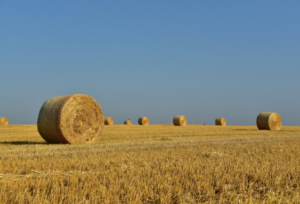 Baling twine is a specialised rope or string used to tie up bales of hay, straw, cotton, or other agricultural materials. It ensures that the material stays compact and organised, which is crucial for efficient storage, handling, and transportation. Made from various materials like polypropylene, nylon, and sisal, baling twine offers the strength, durability, and reliability needed for the rigours of farming.
Types of Baling Twine Available in Australia
In Australia, you’ll find a variety of baling twine options, each designed for different types of balers and materials. The two main types of baling twine are:
- Polypropylene Baling Twine: Polypropylene (PP) twine is the most common type of baling twine in Australia. It’s known for its strength, durability, and resistance to UV rays, which makes it ideal for use in outdoor environments. Polypropylene twine is also resistant to moisture and won’t rot, which is essential for keeping hay and other materials dry during storage. PP twine is available in various colours, thicknesses, and lengths to suit different baling needs.
- Nylon Baling Twine: Nylon twine is stronger and more durable than polypropylene. It’s often used for heavier-duty applications, such as securing larger bales or tying materials that are denser and heavier. While nylon twine is slightly more expensive than polypropylene, its superior strength and resistance to wear and tear make it a popular choice for commercial operations.
- Sisal Baling Twine: Sisal twine, made from natural plant fibres, is a traditional choice for farmers who prefer biodegradable and eco-friendly options. While sisal is strong and effective for tying hay and straw bales, it’s less commonly used today due to its vulnerability to moisture and its tendency to degrade over time. However, for those looking for an organic solution, sisal still has its place in the market.
How to Choose the Right Baling Twine
Choosing the proper baling twine for your needs depends on several factors, including the type of baler you use, the materials you are baling, and your budget. Here are some important considerations when selecting baling twine:
- Strength and Durability: The twine must be strong enough to hold the weight and size of the bales you are making. For lighter bales, polypropylene twine should suffice, but for larger, heavier bales, nylon twine might be the better option. Always check the twine’s breaking strength before purchasing.
- UV and Weather Resistance: If you’re working outdoors, particularly in Australia’s harsh climate, UV resistance is crucial. Polypropylene twine is designed to withstand prolonged exposure to the sun without breaking down. UV-protected twine ensures that your bales remain secure for an extended period.
- Compatibility with Your Baler: Different types of balers require different twine thicknesses and sizes. Ensure that the twine you choose is compatible with the specifications of your baler model. Check the user manual for recommended twine thickness and strength.
- Length and Quantity: Baling twine comes in various lengths, typically measured in meters or feet. Make sure to choose the appropriate amount of twine for your operation, especially if you are baling large quantities of material. Buying in bulk can help save costs, but only if you can use it efficiently before it degrades.
- Price: While it’s tempting to choose the cheapest option, it’s essential to balance price with quality. High-quality twine might cost a little more but will save you time and money in the long run by reducing breakages and improving your baling efficiency.
Conclusion:
Baling twine is a small but vital tool in the agricultural industry, especially in Australia, where farming operations can be large and diverse. By selecting the correct type of baling twine—whether polypropylene, nylon, or sisal—you can ensure that your bales stay intact, reducing waste and improving efficiency. Remember to consider the strength, UV resistance, compatibility with your baler, and price before making your purchase. Quality baling twine not only ensures the durability of your bales but also protects your investments in the long run.