Millions of individuals worldwide experience the discomfort, pain, and aesthetic dissatisfaction caused by varicose veins. Historically, surgical interventions such as vein stripping have been the primary recourse for addressing this condition. Nevertheless, the evolution of medical technology has paved the way for non-surgical alternatives, providing effective treatment options with significantly reduced invasiveness. In this article, we’ll explore these innovative varicose vein removal no surgery methods for varicose vein treatment, highlighting their benefits and effectiveness.
 Understanding Varicose Veins
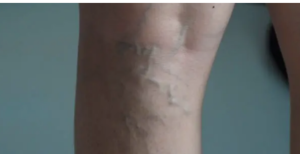
Before exploring non-surgical treatment options, it’s important to grasp the nature of varicose veins and their underlying causes. Varicose veins manifest as enlarged, twisted blood vessels, typically presenting as blue or dark purple and predominantly affecting the legs. Their emergence stems from weakened or malfunctioning valves within the veins, prompting blood to accumulate and resulting in visible bulging beneath the skin. Various factors, including genetic predisposition, aging, pregnancy, obesity, and long duration of standing or sitting, can contribute to the onset of varicose veins.
The Rise of Non-Surgical Solutions
Non-surgical varicose vein removal techniques have gained popularity in recent years due to their effectiveness and minimal invasiveness. These methods offer patients a viable alternative to traditional surgery, with reduced risk, shorter recovery times, and excellent outcomes. Let’s explore some of the most prominent non-surgical alternatives:
Endovenous Laser Therapy (EVLT)
Endovenous Laser Therapy, abbreviated as EVLT, stands as a minimally invasive technique leveraging laser energy to close varicose veins. In this procedure, a slender laser fibre is delicately introduced into the targeted vein through a minor incision. The laser’s heat effectively disrupts the vein, prompting it to collapse and subsequently be naturally absorbed by the body. EVLT boasts high efficacy, accompanied by minimal discomfort and swift recovery times.
Radiofrequency Ablation (RFA)
Radiofrequency Ablation, or RFA, is another varicose vein removal no surgery technique. Similar to EVLT, RFA utilises thermal energy to close off the affected veins. A catheter is carefully inserted into the vein, and radiofrequency energy is significantly applied to heat and seal the vein shut. RFA is safe, minimally invasive, and offers excellent long-term results.
Sclerotherapy
Sclerotherapy is a non-surgical procedure commonly used to treat small varicose veins and spider veins. During the procedure, a special solution called a sclerosant is injected directly into the affected veins. The sclerosant seriously irritates the vein lining, significantly causing it to collapse and eventually fade from view. Sclerotherapy is a quick outpatient procedure with minimal downtime, making it an undeniably attractive option for many patients.
Endovenous Chemical Ablation (ECA)
Endovenous Chemical Ablation, or ECA, is a variation of sclerotherapy that involves injecting a chemical agent directly into the varicose vein to cause it to collapse and close off. This procedure is incredibly effective for larger varicose veins that may not respond well to traditional sclerotherapy. ECA offers excellent results with minimal discomfort and downtime.
Non-Thermal Ablation Techniques
Non-thermal ablation techniques, such as mechanochemical ablation (MOCA) and cyanoacrylate closure, are emerging as promising non-surgical options for varicose vein treatment. These techniques involve the use of mechanical or chemical agents to close off the affected veins without the need for thermal energy. Non-thermal ablation techniques offer advantages such as reduced post-procedure pain and faster recovery times.
Benefits of Non-Surgical Varicose Vein Removal
Non-surgical varicose vein removal methods offer several benefits over traditional surgery, including:
- Minimally invasive: Non-surgical procedures typically involve small incisions or injections, remarkably reducing the risk of complications and speeding up recovery.
- Quick recovery: Patients can usually resume normal activities shortly after non-surgical treatments, with minimal downtime.
- Excellent outcomes: Non-surgical techniques have been shown to be highly effective in the overall treatment of varicose veins, with long-term success rates comparable to surgery.
- Reduced discomfort: Non-surgical procedures are generally less painful than traditional surgery, making them more tolerable for patients.
Conclusion
Varicose vein removal no surgery alternatives have revolutionised the way we approach this common vascular condition. From endovenous laser therapy to sclerotherapy, these innovative techniques offer patients effective solutions with minimal invasiveness and excellent outcomes. Beyond scalpels, non-surgical varicose vein removal methods provide hope for individuals seeking relief from the discomfort and aesthetic concerns associated with varicose veins. Consultation with a qualified healthcare professional can significantly help determine the most suitable treatment approach based on individual needs and preferences, ultimately leading to improved quality of life for patients affected by varicose veins.