Baler twine plays a crucial role in agricultural practices across Australia, serving as a vital tool in harvesting and baling crops. Farmers across the country rely on efficient and durable baler twine, and understanding its significance and choosing the right type can significantly impact agricultural productivity and efficiency. Buy baler twine here now!
 What is Baler Twine?
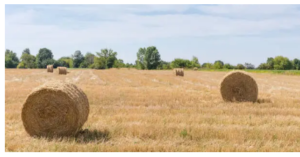
Baler twine, also known as baling twine or hay twine, is a strong cord used to secure and tie bales of crops such as hay, straw, and other harvested materials.
Importance of Baler Twine in Agriculture
In Australia, where agriculture is a significant industry, baler twine plays a pivotal role in several aspects of farming:
- Baling Efficiency: Baler twine facilitates the efficient baling of crops, allowing farmers to quickly gather and store harvested materials in compact bales for transportation and storage.
- Crop Preservation: Properly secured bales with high-quality twine reduce the risk of spoilage and damage during transportation and storage, preserving the nutritional value of the crop.
- Cost-Effectiveness: Using durable baler twine reduces the likelihood of bale breakage and the need for re-baling, which can save farmers time and money in the long run.
- Environmental Considerations: Modern baler twines are designed to be environmentally friendly, often recyclable, and resistant to degradation from exposure to sunlight and moisture.
Types of Baler Twine Available in Australia
Farmers in Australia have access to a variety of baler twines suited to different needs:
- Polypropylene Twine: Known for its strength and resistance to UV rays, polypropylene twine is a popular choice among farmers for its durability and affordability.
- Polyethylene Twine: This twine is valued for its flexibility and knot strength, making it suitable for heavier bales and more challenging conditions.
- Sisal Twine: Although less common today, sisal twine offers natural biodegradability, making it an eco-friendly option for some farmers concerned with environmental impact. Buy baler twine here now!
Choosing the Right Baler Twine
When selecting baler twine in Australia, several factors should be considered:
- Strength and Durability: Ensure the twine can withstand the weight and pressure exerted during baling without breaking or stretching excessively.
- UV Resistance: Given Australia’s intense sunlight, UV-resistant twines are crucial to prevent degradation and ensure bales remain intact during storage.
The Evolution of Baler Twine Technology in Australian Agriculture
Baler twine has undergone significant technological advancements over the years, driven by the need for more efficient and sustainable agricultural practices in Australia.
Technological Advancements in Baler Twine
- Material Innovations: Traditional baler twines were primarily made from natural fibres like sisal or hemp. However, the advent of synthetic materials such as polypropylene and polyethylene revolutionised the industry. These synthetic twines offer superior strength, durability, and resistance to UV radiation, crucial for withstanding Australia’s harsh climate conditions.
- UV Stabilisation: One of the critical challenges faced by farmers is the degradation of twine exposed to sunlight. Modern baler twines are equipped with UV stabilisers, extending their lifespan and ensuring bales remain intact during storage.
Benefits of Modern Baler Twines
- Increased Efficiency: Modern baler twines enable faster baling processes, reducing downtime and labour costs associated with manual handling and knotting.
- Cost Savings: By minimising bale breakage and spoilage, farmers can reduce waste and maximise the value of their harvested crops. It translates into cost savings over time. Buy baler twine here now!
- Environmental Impact: Sustainable baler twines contribute to environmental conservation by reducing plastic waste and promoting recycling initiatives within the agricultural sector.
Challenges and Considerations
Despite the technological advancements, challenges persist in the adoption of baler twine technology:
- Compatibility: Different types of balers and harvesting equipment may require specific twine specifications, necessitating careful selection to ensure compatibility and optimal performance.
- Durability in Extreme Conditions: While modern twines are designed to withstand most environmental conditions, extreme weather events such as heavy rain or prolonged exposure to high temperatures can still pose challenges.
Conclusion:
Baler twine is an indispensable tool in Australian agriculture, enabling efficient harvesting, storage, and transportation of crops. With advancements in material technology, farmers have access to twines that offer durability, strength, and environmental sustainability. Choosing the proper baler twine can significantly enhance farm productivity while reducing operational costs and environmental impact.