Baling twine is an essential agricultural product used extensively by farmers across Australia. This durable and versatile cord plays a crucial role in securing hay, straw, and silage bales, ensuring they remain intact for storage and transportation. Given Australia’s diverse agricultural landscape, selecting the right baling twine can significantly impact the efficiency and effectiveness of farm operations. For more information about baling twine, click here.
Types of Baling Twine Available in Australia
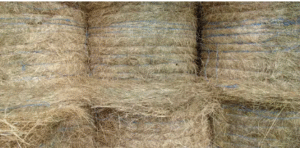 Farmers in Australia can choose from various types of baling twine, depending on their specific needs. The most common types include:
- Polypropylene Baling Twine: This is the most widely used baling twine in Australia. It is lightweight, strong, and resistant to moisture and UV rays, making it ideal for outdoor storage.
- Sisal Baling Twine: Made from natural fibres, sisal twine is biodegradable and environmentally friendly. It is an excellent choice for organic farming and environmentally conscious farmers.
- Heavy-Duty Baling Twine: Designed for high-density balers, this type of twine is powerful and can handle large and compacted hay bales without snapping.
- Silage Baling Twine: This twine is specially designed for silage bales and offers high resistance to stretching and breaking.
Choosing the correct type of baling twine ensures efficiency and prevents unnecessary losses due to broken or loose bales.
Factors to Consider When Buying Baling Twine in Australia
When purchasing baling twine, Australian farmers must consider several key factors:
- Tensile Strength: The strength of the twine determines how well it can hold bales together. High-density balers require stronger twine to secure heavier loads.
- UV Resistance: Australia’s harsh sunlight can degrade lower-quality twine. Opting for UV-resistant twine ensures longevity and durability in outdoor conditions.
- Weather Conditions: If storing bales outdoors, waterproof and rot-resistant twine is crucial to maintain bale integrity.
- Baler Compatibility: Different balers require specific twine thickness and strength. Checking compatibility prevents jamming and ensures smooth operation.
- Environmental Impact: For sustainable farming, biodegradable or recyclable baling twine options should be considered.
Benefits of Using High-Quality Baling Twine
Investing in premium baling twine provides numerous benefits for Australian farmers:
- Increased Productivity: Strong and durable twine reduces breakage, allowing for efficient baling and transportation.
- Reduced Waste: High-quality twine prevents bales from falling apart, reducing the loss of hay or straw.
- Cost-Effectiveness: While premium twine may have a higher initial cost, its durability reduces the need for frequent replacements.
- Better Livestock Management: Properly baled hay remains fresh and nutritious, benefiting livestock feeding programs.
- Environmental Sustainability: Biodegradable options contribute to eco-friendly farming practices.
Where to Buy Baling Twine in Australia
Farmers can find baling twine at various agricultural supply stores, online retailers, and manufacturers. Some of the top suppliers in Australia include:
- Rural Supply Stores: Businesses like Elders, Landmark, and Nutrien Ag Solutions offer baling twine suitable for different farm needs.
- Online Marketplaces: Websites such as eBay and Amazon provide convenient access to various twine brands and types.
- Local Manufacturers: Supporting Australian-made baling twine helps boost the local economy and ensures quality control.
- Agricultural Co-ops: Joining a cooperative can provide bulk purchasing options at lower costs.
Proper Storage and Disposal of Baling Twine
In maximising the lifespan of baling twine, proper storage is essential. Here are some tips:
- Store twine in a dry, covered area away from direct sunlight.
- Keep it off the ground to prevent moisture absorption.
- Use sealed containers or storage bags to protect twine from rodents and pests.
When disposing of used twine, consider recycling options. Many communities offer agricultural recycling programs for polypropylene twine, helping reduce plastic waste on farms.
Conclusion:
Baling twine is an indispensable tool for Australian farmers, ensuring efficient hay and crop management. By choosing the right type of baling twine, considering important factors such as strength and UV resistance, and sourcing from reputable suppliers, farmers can optimise their operations.
Additionally, responsible storage and disposal practices contribute to sustainability, making farming more environmentally friendly. Whether you’re managing a small hobby farm or a large agricultural enterprise, investing in high-quality baling twine is a step toward greater efficiency and productivity.
To discuss evolving trends and sustainability in baling twine. Let me know if you’d like any further refinements!